

Do you sometimes put on a fresh pair of pants, only to find them soaked through within a matter of minutes? This can even happen at night, leaving you sleepless and uncomfortable. If so, you may have overflow incontinence. Overflow incontinence is a less common type of urinary incontinence that occurs when the bladder does not empty properly. It can lead to frequent or constant leakage and should always be assessed by a healthcare professional.
Table of content:
What exactly is overflow incontinence?
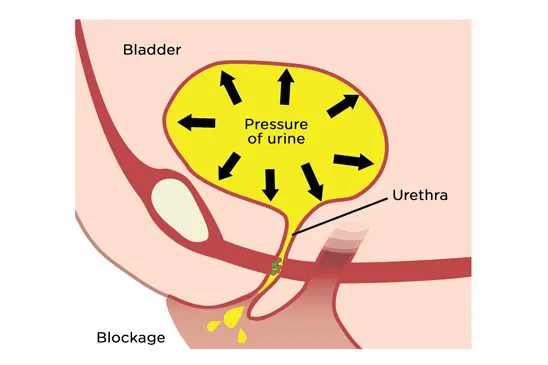
Overflow incontinence occurs as a result of not being able to empty your bladder fully, leading to chronic urinary retention. As the bladder becomes overly full, urine can leak out involuntarily and can happen even without a strong urge to go.
What are the types of incontinence?
There are three main types of urinary incontinence:
- stress incontinence – caused by weakened pelvic floor muscles that fail to properly close the urethra; leakage occurs during coughing, sneezing, laughing, or physical exertion;
- urge incontinence – associated with overactive bladder, also called detrusor instability; characterised by sudden, uncontrollable urge to urinate, often also at night;
- overflow incontinence – occurs when the bladder is too full due to obstruction or weakened bladder muscles; urine leaks involuntarily even though the bladder is not fully emptied.
- Mixed incontinence – this is when there is more than one type of incontinence occurring at the same time.
What are the symptoms of overflow incontinence?
Symptoms of overflow incontinence include constant or frequent leakage, difficulty starting urination, a weak or intermittent urine stream, feeling unable to fully empty the bladder, frequent urinary tract infections, and in some cases bedwetting.
What are the causes of overflow incontinence?
Overflow incontinence is mainly caused by chronic urinary retention, which means that the bladder can’t be fully emptied.
This may result from bladder outlet obstruction, reduced bladder muscle strength, or disrupted nerve signals between the bladder and brain. Causes include neurological conditions such as multiple sclerosis or diabetes related nerve damage, severe pelvic organ prolapse, bladder stones or tumours, and certain medications that interfere with bladder emptying.
Some conditions that can cause overflow incontinence are:
- anatomical obstruction – such as, urethral stricture, bladder stones, or pelvic tumours compressing urinary pathways;
- weakened bladder muscles – due to chronic diseases (e.g., diabetic neuropathy, multiple sclerosis, Parkinson’s disease, spinal cord injury); In such cases, the muscles are unable to contract effectively and empty the bladder.
- neurological disorders – nerve damage after pelvic injury, surgery, or neurological disease disrupting bladder-brain communication;
- long-term medication use – such as anticholinergics, opioids, or certain psychotropic drugs, which may weaken the contractility of the bladder muscles, leading to excessive bladder filling and urine leakage;
- pelvic organ prolapse – severe uterine or bladder prolapse compressing the urinary tract, making the urine flow difficult.

Overflow incontinence can have a significant impact on your emotional wellbeing and quality of life. Worry about leakage or odour may lead some women to withdraw socially and feel really distressed. Please talk to your doctor as support and effective treatment can really help, improve confidence and daily functioning.
How can I treat overflow incontinence?
If you experience constant leakage, difficulty emptying your bladder, or recurrent infections, it is important to seek medical advice. Overflow incontinence can indicate underlying bladder or nerve problems and may lead to complications if untreated. Early assessment by a GP or specialist allows appropriate treatment and can significantly improve symptoms and quality of life!
Treatment depends on the underlying cause. Options may include intermittent or long term catheterisation to empty the bladder, medication to improve bladder emptying or address contributing conditions, and surgery where a physical blockage or severe prolapse is present.
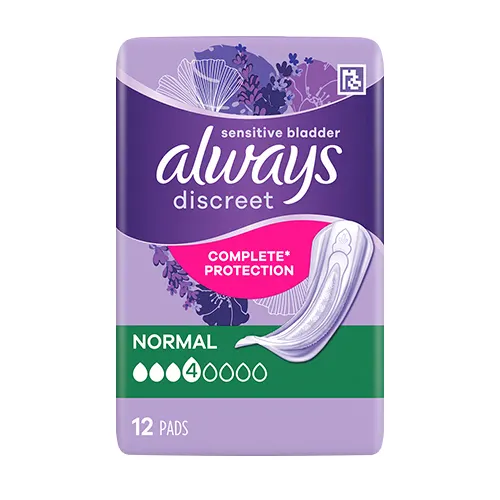
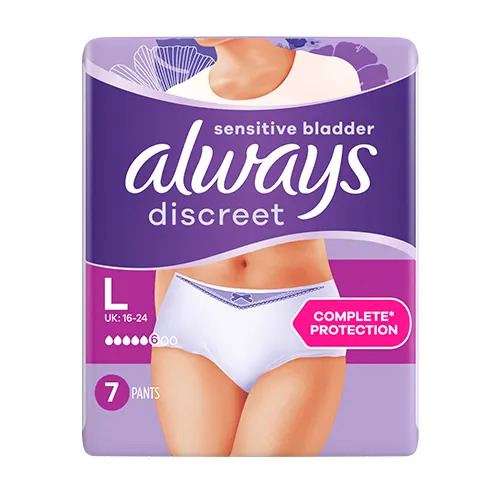
A sensitive bladder protection product can be worn to help you manage leak protection and feel more confident. There is a variety of sensitive bladder products ranging from liners and pads to underwear, so you can tailor choice to your absorbency needs. They lock in bladder leaks and odours for peace of mind. Additionally, they can be thin and flexible so you can hardly feel you’re wearing anything. But, they should be used alongside medical assessment rather than as a substitute for diagnosis and treatment.